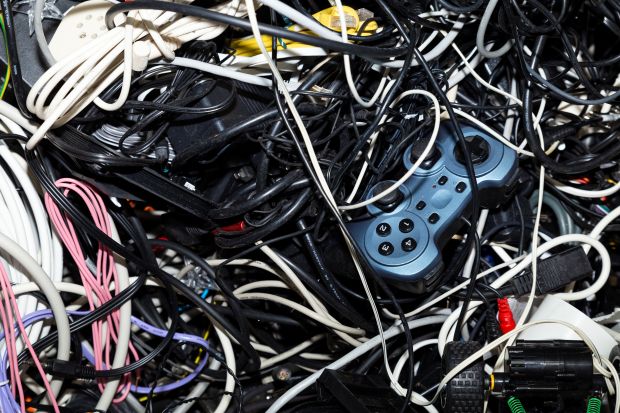
Across government, devices, chargers and cables can remain unused in cupboards, drawers and storerooms long after they have stopped supporting a business need. This equipment may look like waste, but can still be a valuable asset, both in terms of economic but also environmental and social value.
Making it easy for people to return unwanted technology can recoup money, extend the life of usable equipment, recover valuable materials and reduce the risks associated with inappropriate disposal.
The scale of the challenge
E-waste is one of the world’s fastest-growing solid waste streams. The UN Global E-waste Monitor estimates that 62 million tonnes were generated worldwide in 2022, but only 22.3% was documented as formally collected and recycled. Global e-waste could reach 82 million tonnes by 2030 driven by AI causing an increased demand for new hardward and faster replacement cycles.
For public sector technology leaders, this is not only a waste-management issue. It is also about responsible procurement, information assurance, asset management, carbon reduction and the resilience of material supply chains.
When equipment is retained without a purpose assets depreciate in value and organisations lose opportunities to redeploy donate or recover materials such as copper, gold and rare earth elements. Poor disposal can also allow hazardous substances to pollute air, soil and water.
A practical intervention in Exeter
Defra recently held an IT amnesty at its Exeter office with technology partner Atos. Colleagues returned nearly 1,000 pieces of unused work devices, personal electrical equipment and hundreds of cables. Some items dated from the early 2000s.
The volume collected showed how quickly technology can accumulate when return routes are not visible, convenient or regularly promoted. It also demonstrated the value of a focused event: a clear call to action gave colleagues a secure and straightforward opportunity to give a second life to equipment they no longer needed.
Each returned item can now follow an appropriate route, whether that is secure reuse, recycling or responsible disposal. The amnesty formed part of Atos’s social value commitments, and Defra plans to run an event each year.
In 2024/25, Defra generated 40 tonnes of e-waste and reused 30% of it, recycling virtually all the rest. The amnesty supports a wider programme to improve that position by keeping devices and materials in circulation for longer, reusing (for example selling or donating) more of the devices we no longer need, and recycling them if this is not possible.
What other organisations can take from this
An IT amnesty is a visible intervention, but it works best as part of a broader circular approach to technology. Useful considerations include:
- Make return routes simple: give people clear instructions for different types of equipment, including core devices, peripherals and personal items.
- Build security into the process: align collection, transport, data handling and disposal with asset-management and information-assurance requirements.
- Prioritise reuse: assess equipment for redeployment, refurbishment, reselling or approved donation before recycling it.
- Use supplier commitments: consider how contracts and social value commitments can support collection, reuse and responsible end-of-life treatment.
- Measure outcomes: record the number and weight of items collected, their eventual destinations and the proportion reused.
- Repeat and communicate regular campaigns can prevent new stockpiles and reinforce everyday return processes.
These actions complement Defra’s commitments to send no IT equipment to landfill, extend device lifecycles through performance monitoring, match equipment to user needs and support recycling in countries without suitable facilities
Turning unused technology into a resource
The Exeter amnesty is a reminder that progress can begin with a practical, well-communicated action and collaboration with suppliers. By bringing together digital, commercial, estates, security and sustainability teams, public sector organisations can make responsible technology returns part of normal operations rather than an occasional clean-up exercise.
Every device returned through an approved route is an opportunity to retain value, reduce demand for virgin materials and improve the evidence available for sustainable ICT decisions.
More information
Defra’s approach to e-waste is set out in the Defra digital sustainability strategy 2025 to 2030.
Anna Fountain is a Sustainability Lead in Defra’s Digital Sustainability Team.
If you're interested in finding out more about what we do in Defra Digital Data Technology and Security check out our LinkedIn page for all the latest news, stories and job openings. While you're there, why not give us a follow?
Like what you read? Subscribe to the blog for all the latest updates.

Leave a comment