
When we think about sustainable technology, we don’t just think about the devices sat on our desks in front of us. We think about the whole journey: the materials used to make it, the energy it uses, how long it stays in service and what happens when it is no longer needed.
That is why sustainability is such an important part of our End User IT Services approach. We are still early in the work, so this is not a final results story. It is however a chance to share what we have started, what we are learning, and where colleagues across Defra group can help.
Why this matters to us
Our Digital Sustainability Strategy, published in October last year, sets out how we will make smarter and more responsible decisions about the technology we buy, use, reuse and recycle. For us, that means reducing the environmental impact of our devices, keeping them in use for longer and making sustainability part of everyday work.
One of the biggest changes is our move towards a more circular approach. Instead of treating laptops, phones and tablets as single-use products, we are looking at the whole life of each device. That starts with procuring remanufactured devices instead of buying brand new ones.
Remanufactured devices are used devices that are restored to meet the same quality standards as new devices. The devices are thoroughly inspected, repaired and rebuilt back to the manufacturer’s specification using a combination of both old and new parts where required. Keeping devices in service through maintenance, repair, reuse and recycling helps us reduce waste, lower emissions and make better use of finite resources.
In the first seven months of the contract we initiated with Atos last autumn, we have rolled out 6,012 remanufactured devices. That includes 4,190 laptops, 10 desktops, 345 tablets and 1,467 smartphones. This has resulted in an estimated saving of 1,400 tonnes of CO₂e emissions across the Defra IT estate. That is equivalent to taking around 320 passenger cars off the road for a year, or the annual energy use of around 500 homes.
Closing the loop on electronic waste
We have also taken an important step through our work with Closing the Loop, an organisation focused on electronic waste compensation and responsible recycling.
Two certificates were recently presented to Atos and Defra, recognising a “one-for-one” service across part of our mobile estate. In simple terms, for every new device introduced, an equivalent amount of electronic waste is collected and recycled responsibly. The certificates covered 1,468 mobile phones and 395 tablets.
How we’re enabling colleagues to get involved
The next stage is where this work becomes more visible to colleagues. We plan to run the first of our device amnesty initiatives during later this year.
These events will give colleagues a simple way to return old or unused devices so they can be reused, recycled or donated responsibly. They will also make it easier for everyone to play a part in reducing electronic waste.
This is the point where sustainability becomes practical and visible. It is also where small actions from many people can add up to something much bigger.
What colleagues can do now
Our chances of success depend on the choices we all make about the devices we use every day.
Using a remanufactured device, returning equipment we no longer need, or looking after the kit we have can all make a difference. While each action may seem small, together they reduce waste, keep valuable resources in use for longer, support the circular economy, and ensure better value for public money.
Which is why we are asking everyone to check whether they have any Defra devices they no longer use. Many people we recently contacted about having multiple devices told us they had an old one “in a drawer”. In the last six months, almost 10,000 devices have been returned, either through a device replacement project, or by staff taking action.
What we are working on next
We are also developing new services to help colleagues use devices more sustainably. These include:
- a sustainable workplace solution that uses monitoring, dashboards and advisory tools to show device health and identify when a device may need support, maintenance or repair
- a new service that gives personalised insights into device energy use, with practical actions people can take to reduce emissions and use their equipment more sustainably
Though these services are still being shaped, they will be an important part of the bigger picture, as this work develops.
Making digital sustainability part of everyday work
Our aim is to make sustainability part of everyday working, not something separate or additional. We are at the beginning of this journey, but the direction is clear. We want to make it easier to use technology for longer, and make sustainable choices part of normal service delivery.
There is more work in the pipeline, and we will continue to share updates as it develops.
This work is about more than improving our own services. It is helping to shape the future of sustainable technology across government. The sustainability commitments in the End User Services contract include remanufactured devices, electronic waste compensation, device amnesties and new sustainability-focused digital services.
For us, that is the most exciting part of this work. It shows how sustainability can be built into each stage of the technology lifecycle, and how public sector organisations can lead by example.
More information
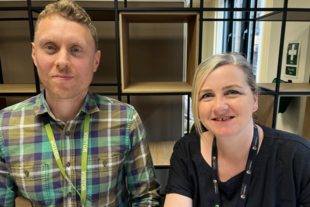
Anna Fountain and Katie Bishop work in Defra’s digital sustainability team.
If you're interested in finding out more about what we do check out our LinkedIn page for all the latest news, stories and job openings. While you're there, why not give us a follow?
Like what you read? Subscribe to the blog for all the latest updates.
Leave a comment